TMJ disorder is a problem with the jaw joints and the chewing muscles. It causes jaw pain, clicking or locking, and headaches. We offer non-surgical TMJ treatment at either of our Frisco offices, and we start with 3D imaging to find what is driving the pain. Treatment is aimed at the cause: the joint, the muscles, the bite and sometimes the airway.
Written by Millennium Smiles. Medically reviewed by Dr. Dunia Korous, D.D.S., FICOI, MICOI. Last updated October 31, 2026.
I just starting coming here for TMJ pain, and I am so beyond happy that I chose Millennium Smiles.

Dr. Korous’s TMJ training
Dr. Dunia Korous has completed over 1,000 hours of continuing education, including advanced training in diagnosing and managing TMJ disorders. Her TMJ training includes advanced study under Dr. Steven Olmos, DDS, and she holds a neuroscience degree from UT Dallas, which shapes how she links the jaw, muscles and nervous system. In practice, that means she does not stop at the bite. She uses 3D CBCT imaging, joint vibration analysis and electromyography to see how the joint moves and how hard the muscles work, then builds the plan from those results. TMJ patients come to us from across Frisco and the surrounding towns, often after a night guard from another office did not stop the pain.
About Our PracticeSigns of a TMJ disorder
- Clicking or popping when you open or close your mouth
- A jaw that locks or catches
- Pain in the jaw, face or ear
- Headaches, often worst in the morning
- Teeth worn flat or cracked from clenching
- Trouble opening your mouth wide
These signs often start slowly and come and go. Tell us if you have more than one. Pain together with clicking or locking points more strongly to the joint itself. About 5% to 12% of people have a TMJ disorder, according to the National Institute of Dental and Craniofacial Research.
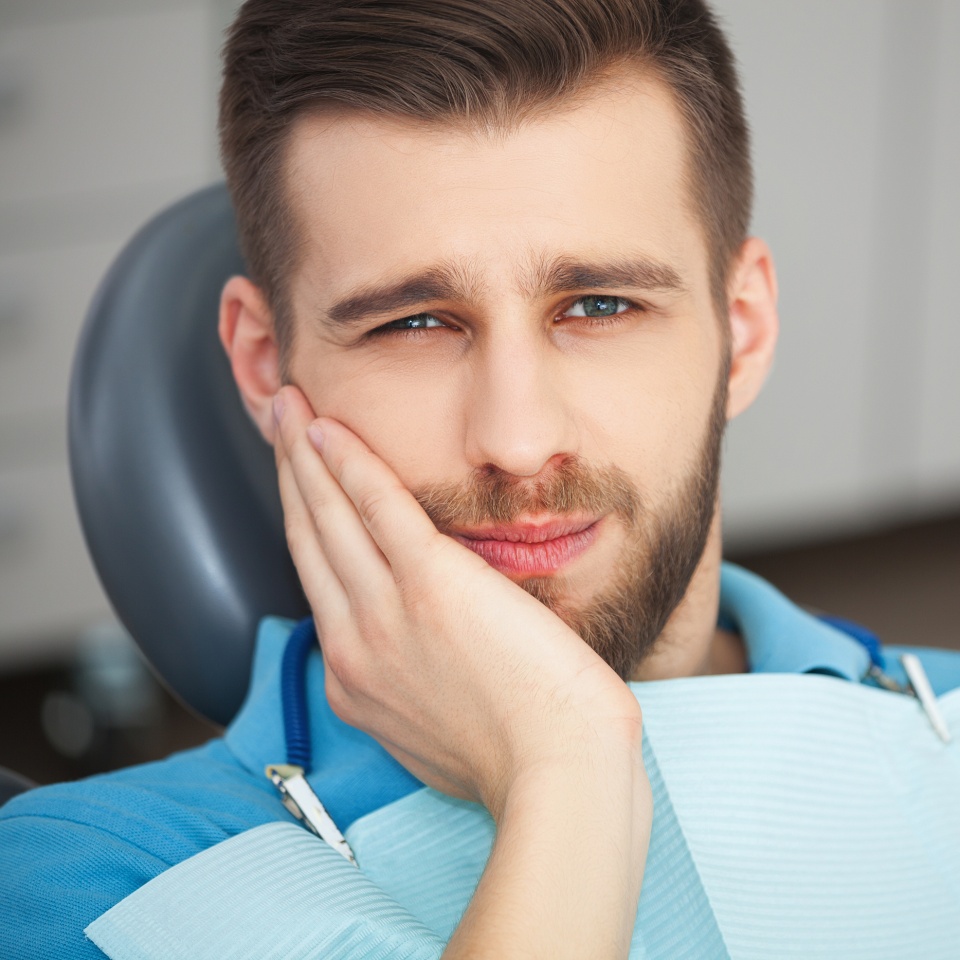
Read Our Free TMJ eBook
Our free TMJ eBook walks through common symptoms like headaches, clicking, and jaw tension, so you know what questions to ask at your next visit.
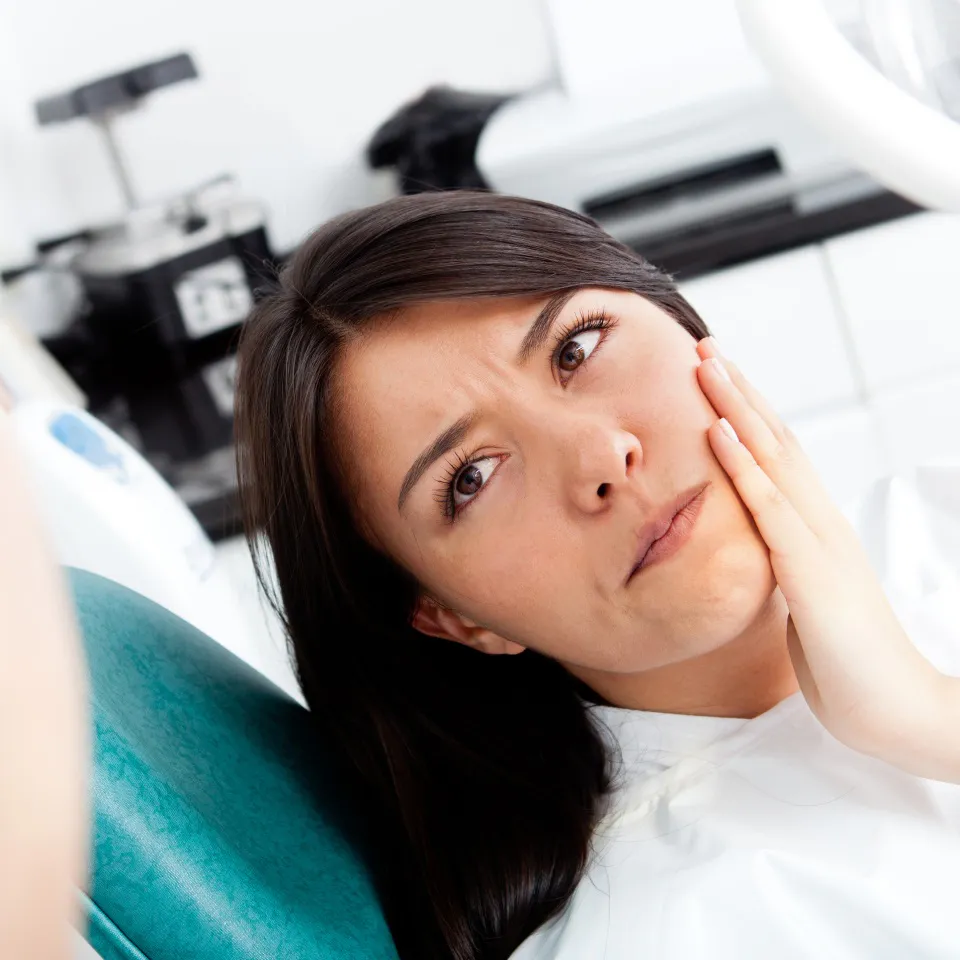
What happens at your first visit
- We listen to your history: where it hurts, when it started and what you have tried.
- We examine the jaw joints, the muscles and the bite.
- We take the 3D scan and run the joint and muscle tests.
- We explain what we found and give you a written estimate.
- We start with the least invasive step that fits your case.
A night guard from a store or a dental office is a common first try. A night guard protects teeth from grinding, but it does not fix a joint that sits out of place or muscles in spasm. That is why a night guard alone often does not stop the pain.
How we find the cause
| Test | What it shows |
|---|---|
| 3D CBCT imaging | The shape and position of the jaw joints, the bone and the airway |
| Joint vibration analysis | The sounds the joint makes while it moves, which point to damage or displacement |
| Electromyography | Whether the jaw muscles are working too hard or in spasm |
| Bite alignment assessment | How the teeth meet and whether the bite pulls the jaw out of place |
Your treatment options
What treatment options exist for chronic jaw pain and headaches?
Non-surgical care starts with the least invasive step that fits your case. We combine the options below in the order your exam shows.
| Option | What it does |
|---|---|
| TMJ orthotic | Repositions the jaw and lets the joint and muscles rest |
| MLS laser therapy | Uses light energy to calm inflammation in the joint and muscles |
| Myofunctional therapy | Retrains the tongue and jaw muscles that support the joint |
| Bite and orthodontic correction | Fixes a bite that keeps pulling the jaw out of balance |
What you can do while you wait for your visit
- Eat soft foods and cut food into small pieces
- Avoid gum, ice and wide yawns
- Rest your jaw with lips together and teeth apart
- Use a warm or cold pack on the sore side for 10 minutes
- Do not chew on a pen or your nails
- Write down when headaches and clicking happen
TMJ pain is easy to mistake for an earache, a sinus problem or a toothache, because the jaw joint sits next to the ear and shares nerves with the face. If an ear exam finds nothing, the jaw is a likely next place to look.
Jaw position and breathing
The jaw and the airway share the same space. A jaw that sits too far back can narrow the airway, and a narrow airway can make the jaw muscles work harder at night. When the exam points to a breathing problem, we explain the link and refer you for a sleep study. Our airway and sleep apnea page explains how we treat that side.
Questions patients ask about TMJ and jaw pain
What kind of dentist treats TMJ jaw pain and headaches?
A dentist with advanced training in TMJ and bite function treats jaw pain and the headaches that come from the jaw. General dentists check the teeth, while a TMJ-trained dentist also checks the joints, the muscles and the way the bite and airway affect them. Ask whether the dentist uses 3D imaging and joint and muscle testing. We do.
Splint therapy vs. jaw realignment: how do TMJ treatments compare?
A splint, or TMJ orthotic, is a removable device that rests the joint and muscles while you wear it. Jaw realignment changes how the teeth and jaws fit, using orthodontics or bite correction, so the joint stays in a healthier position without the device. A common path is an orthotic for relief, then realignment when the cause is the bite. We choose the order after the scan and tests.
What non-surgical TMJ treatments address the root cause?
Non-surgical care looks for the cause, not only the pain. A TMJ orthotic rests the joint, MLS laser therapy calms inflammation, myofunctional therapy retrains the muscles, and bite or orthodontic correction removes the strain. We combine them in the order your exam shows. Surgery is not the first step, and we refer you if the scan shows damage that treatment cannot reach.
Can a dentist diagnose breathing problems caused by jaw position?
A dentist can spot the signs, but a physician confirms the diagnosis. We measure the airway on the 3D scan, check the jaw position and look for clues such as a narrow upper jaw or a tongue that sits low. If we find a likely breathing problem, we refer you for a sleep study and then plan dental treatment around the result.
Can acid reflux cause jaw pain?
Some people with acid reflux also have jaw pain, and the two can show up together. We check the joint, the muscles and the bite first, and your physician looks at the reflux. Treating each cause on its own track is the safest plan.
Why does my jaw lock or catch?
A jaw that locks or catches often means the small disc inside the joint has slipped out of place, or the muscles around the joint are tight. A bite exam and a 3D scan show which one is happening. Read more in our jaw locking article.
Booking, cost and what to expect
How is 3D imaging used to diagnose TMJ disorders?
We take a 3D CBCT scan at your first visit. It shows the jaw joints, the bone and the airway in three dimensions, which an ordinary X-ray cannot do. We use it to see whether the joint sits in its socket, whether the bone is worn and how narrow the airway is. The scan guides the whole treatment plan.
How does Millennium Smiles diagnose and treat TMJ disorders?
We start with a full exam, a 3D CBCT scan, joint vibration analysis and electromyography. Dr. Korous reviews the results with you and starts with the least invasive treatment: a TMJ orthotic, MLS laser therapy or myofunctional therapy. If the bite is the cause, we plan orthodontic or bite correction. You leave the first visit with a written plan.
Patients come to us from Quail Meadow Village, Park Place Estates, Stonebriar North and across Frisco.
What does TMJ treatment cost at a dental office?
Our TMJ patients typically invest in the mid-thousands for a TMJ orthotic package, which includes the orthotic and a series of MLS laser sessions for the jaw, neck and shoulders. A combined daytime orthotic and nighttime sleep appliance package runs higher. The tests you need, how long treatment lasts and what your dental plan covers all change the number, so we give you a written estimate before treatment starts.
We accept all PPO dental insurance plans. TMJ treatment is not billed to medical insurance. We offer financing through Cherry, CareCredit, Sunbit and Proceed Finance, and in-house financing may also be available case by case, depending on the cost of treatment.